
For hunters and meat enthusiasts alike, understanding game meat yield is essential. While each animal is unique, there are average ranges that give a clear idea of what to expect. In particular, the deer meat yield and elk meat yield are the most common questions asked by hunters who want to plan meals, freezer space, and processing costs.
Deer Meat Yield
Factors such as shot placement, field dressing, and butchering skill also influence the final amount. Additionally, fat trimming, bone removal, and silver skin cuts will reduce weight further. Despite these variations, deer remain a reliable source of lean, protein-rich meat that can be turned into roasts, steaks, burger, or sausage. Deer meat is called venison.
Elk Meat Yield
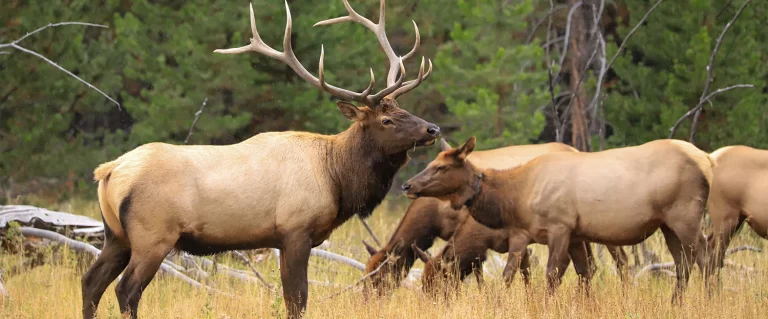
Elk are significantly larger than deer, so the elk meat yield is much higher. Just like deer, the final yield depends on field care and butchering technique. Elk, however, carry heavier muscles, making them ideal for large roasts, hearty steaks, and ground meat that can last families an entire year. Because of their size, elk yields are often the highlight of a successful hunting season.
Why Meat Yield Matters
Understanding yields helps hunters prepare properly. Not only does it ensure enough cooler or freezer space, but it also gives a realistic idea of how long the harvest will feed a family. Moreover, planning ahead reduces waste and ensures every cut is valued.
Whether harvesting deer or elk, proper handling after the hunt is crucial. Quick field dressing, clean butchering, and correct storage all maximize the amount of usable meat.
Field Dressing and Its Impact on Game Meat Yield
First and foremost, field dressing plays a significant role in determining the amount of usable meat. Properly gutting and cleaning the animal as soon as possible after harvest helps preserve meat quality and reduces the risk of spoilage. Neglecting this step, however, can lead to waste and lower the total yield.
Moreover, animals in the wild experience varying degrees of physical activity and diet, which influence the amount of fat and muscle they carry. Thus, while field dressing ensures you save the most meat possible, the animal’s overall condition sets the baseline for your expectations.
Factors Affecting Game Meat Yield
While general percentages offer a baseline, the actual meat yield depends on a few key factors. For example, shot placement can dramatically affect how much meat remains intact. A poorly placed shot could damage prime cuts, such as the shoulders or hindquarters, leading to substantial losses. Therefore, hunters should aim for ethical and precise shots to maximize meat recovery.
Additionally, the age and sex of the animal influence yield. Mature bulls or bucks generally provide more meat due to their larger size. However, older animals may have tougher meat, requiring careful processing to ensure tenderness. On the other hand, younger animals, though smaller, often produce more tender cuts.
Maximizing Your Meat Yield
To maximize yield, it’s essential to follow best practices during the entire process. First, after field dressing, ensure you cool the meat as quickly as possible to avoid spoilage. Then, during butchering, take your time to carefully separate muscle groups, trim fat, and remove sinew. This step not only helps increase usable meat but also improves the quality of the final cuts.
Using a skilled processor like Meat Mamma or learning to butcher the animal yourself also makes a difference. An experienced meat processor knows how to minimize waste and extract every edible portion, from the steaks and roasts to the trimmings for ground meat or sausage.
Conclusion
Understanding game meat yield is vital for hunters looking to make the most of their harvest. Whether you’re hunting deer or elk, several factors—including field-dressed weight, shot placement, and butchering techniques—can significantly impact the amount of usable meat you take home. With proper preparation and attention to detail, you can enjoy a successful hunt and a freezer full of quality wild game meat. Meat Mamma is an expert in wild game meat processing.
Game Meat Yield FAQs
How much usable meat do you get from a deer?
On average, about 50% of a deer’s live weight becomes usable, boneless meat. A 150-pound deer may yield roughly 60 pounds of meat, depending on trimming and processing.
How much meat does an elk yield?
Elk generally yield 50% to 55% of their live weight as boneless meat. A mature bull elk can provide 250 to 300 pounds of usable meat.
Why doesn’t all of the animal become usable meat?
Bones, hide, fat, silver skin, and other non-edible parts are removed during processing, which reduces weight but improves meat quality and safety.
Does field dressing affect game meat yield?
Yes. Prompt and proper field dressing helps prevent spoilage and protects meat quality, which directly impacts how much usable meat is recovered.
Does shot placement affect how much meat is recovered?
Yes. Poor shot placement can damage prime cuts like shoulders or hindquarters, reducing the total amount of usable meat.
How can hunters maximize their game meat yield?
Hunters can maximize yield by field dressing quickly, cooling meat properly, using careful butchering techniques, and working with an experienced meat processor.
